Top 10 things for neurodivergent techies
By Laurentiu Raducu
A lot of people in tech have brains that do not run on the default settings. ADHD, autism, dyslexia, or just a nervous system that finds open-plan offices unbearable. The usual productivity advice ("just use a to-do list") tends to fall apart on contact with that kind of brain.
What works instead is usually physical: tools that reduce sensory load, that put memory outside your head where you can see it, and that make the thing you are supposed to be doing the easiest thing in the room. This is a list of ten objects that do that. None of them are a cure for anything. All of them have made someone's day measurably better.
1. A game built for hyperfocus
Games
Chip Builder
A story-driven puzzle game about digital logic, from a single gate to a working CPU.
Hyperfocus is the superpower nobody tells you about. When something clicks, hours disappear. Chip Builder is a story-driven puzzle game about digital logic that is almost designed for it: you start with a single logic gate and build up through adders, registers and memory until you have a working CPU, then run the company in a grand strategy mode. Every level is a small, closed, satisfying problem. It is the rare game that leaves you knowing more than when you started, and it is $10 on Steam.
2. Earplugs you can wear all day

Personal
Loop Earplugs Quiet 2 Ear Plugs
Low-profile reusable earplugs with 24 dB noise reduction.
Sensory overload is real and it is exhausting. The Loop Quiet 2 cut 24 dB of background noise, sit flush in your ear so they do not draw attention, and cost $25. They take the edge off a loud office, a train, or a supermarket without cutting you off from a conversation. A lot of people keep a pair on their keys.
3. Headphones that build a wall
Tech
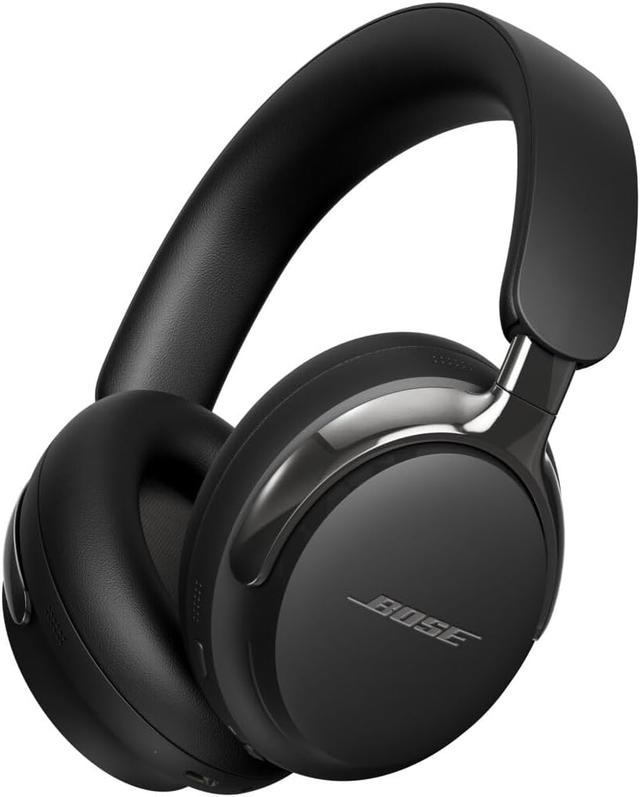
Bose QuietComfort Ultra
Premium noise-cancelling headphones with superior sound quality.
For the days when earplugs are not enough, the Bose QuietComfort Ultra make the room go quiet. They are the most comfortable noise-cancelling headphones for a full day of wear, and the immersive mode is good for the kind of brown noise or single-album-on-repeat that a lot of neurodivergent people use to focus.
4. Tasks you can see
House
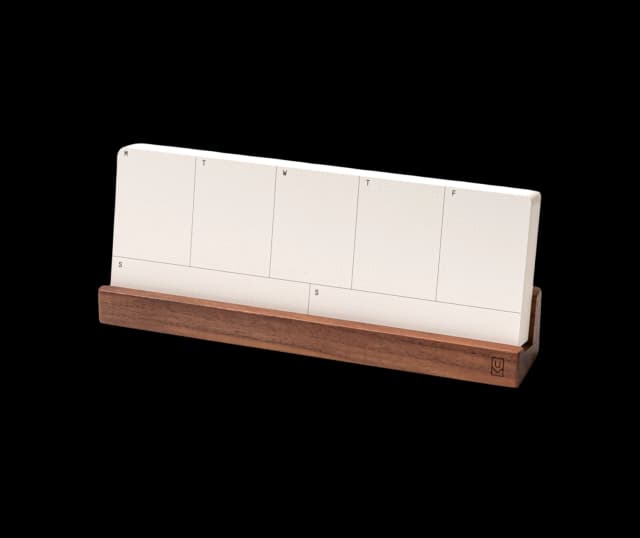
Ugmonk Analog Weekly Kit
Paper planning cards and a wooden holder for weekly focus.
Out of sight is out of mind, and a task in an app is out of sight. The Ugmonk Analog kit is a wooden stand and a stack of cards. You write today's tasks on one card, stand it on the desk, and it stays in your field of view until it is done. It is the lowest-tech thing on this list and, for many people, the one that works.
5. A phone that does less
Tech
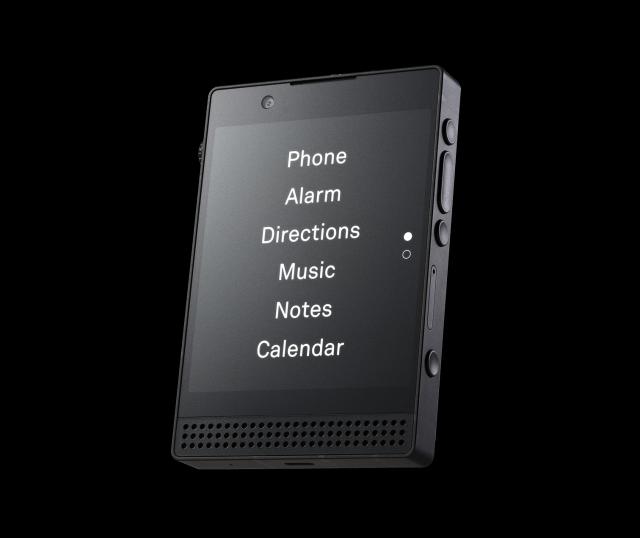
Light Phone III
Lightweight and minimalist smartphone with essential features.
The Light Phone III makes calls, sends texts, plays podcasts, gets you directions, and that is about it. No feed, no infinite scroll, no notifications designed by people whose job is to steal your attention. Some people use it as their only phone. Others swap to it for deep-work days and weekends. Either way, it removes the single biggest distraction machine from the equation.
6. Something to do with your hands
Toys
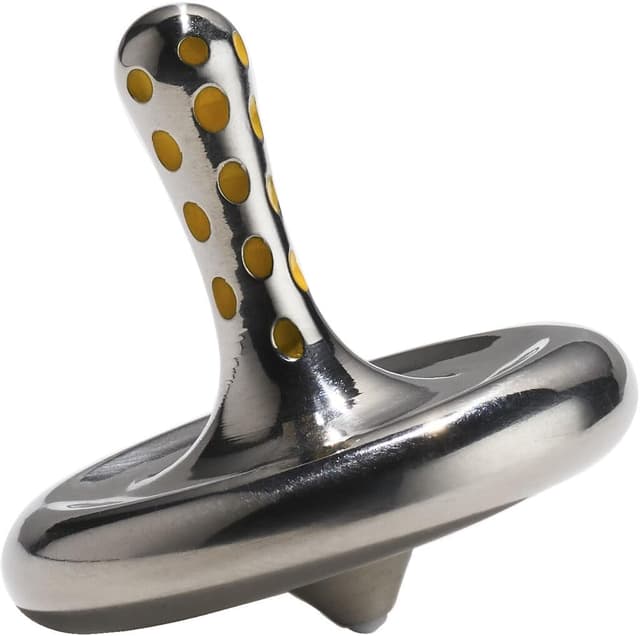
Craighill Tracer Top
The Craighill Tracer Top reimagines the classic spinning top with a fusion of art and engineering. Designed to captivate, its vibrant red, blue, or yellow pips add a burst of color and create a mesmerizing visual effect.
Fidgeting is not a lack of attention. For many people it is how attention works. The Craighill Tracer Top is a machined metal spinning top that looks like a desk object rather than a toy, spins for minutes, and gives restless hands something to do during a long call without anyone noticing.
House
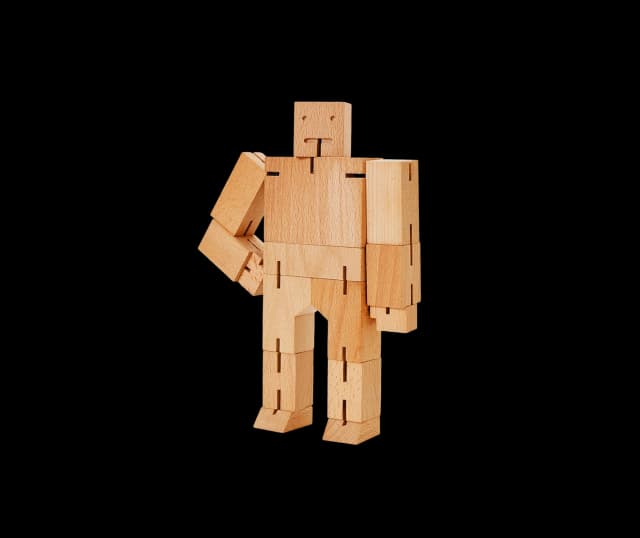
Areaware Cubebot Classic
A wooden cube that unfolds into a posable robot.
And for when a top is too subtle, the Cubebot is a wooden cube that unfolds into a posable robot and folds back again. It is $10, it is satisfying in a way that is hard to explain, and it has outlasted every fidget gadget I have bought.
7. Paper that does not have notifications
Tech
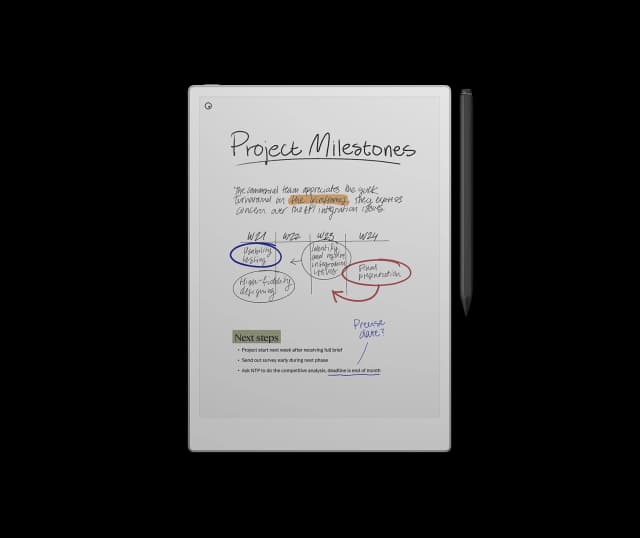
Remarkable Paper Pro
Next-generation e-ink tablet for note-taking and reading.
The reMarkable Paper Pro is a tablet that only does writing and reading. No apps, no email, no browser. For brains that get derailed by a single notification, that is the whole point. Writing by hand also slows thinking down to a speed where it sticks, which is useful when you are trying to work through a problem rather than around it.
8. A gentler way to start the day
House
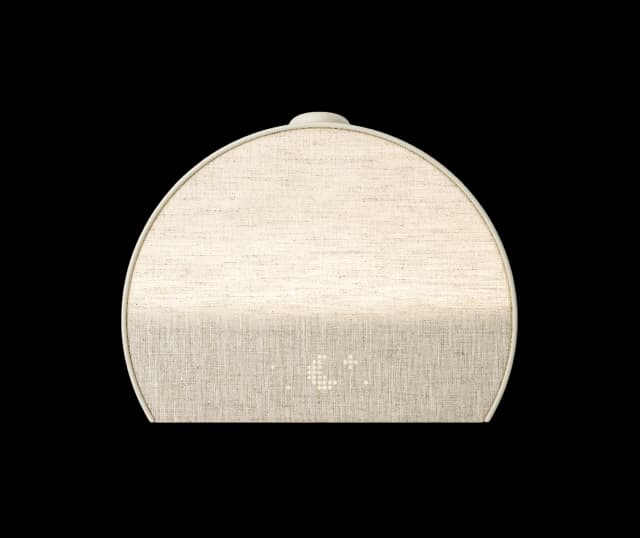
Hatch Restore 3 Sunrise Alarm Clock
A sunrise alarm clock with a library of sleep sounds.
Transitions are hard, and waking up is the biggest one. The Hatch Restore 3 fades in light before any sound, so waking up is a slope rather than a cliff. In the evening it runs a wind-down routine with sound and dimmed light, which makes the other hard transition, going to sleep, easier too.
9. Storage you can see
House
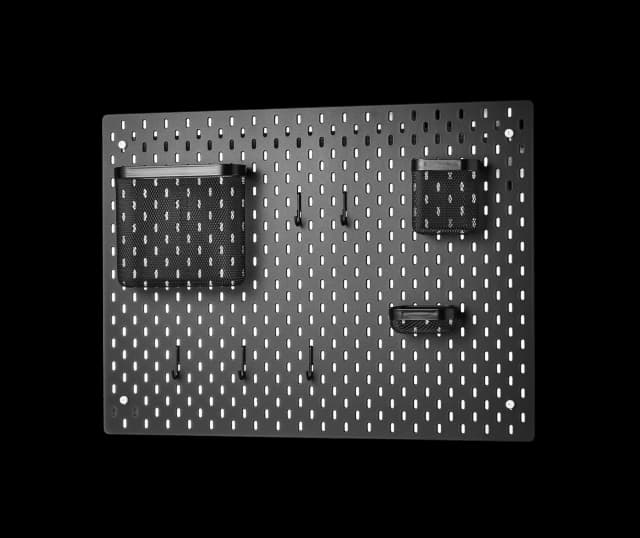
IKEA SKÅDIS
A black pegboard for organizing small essentials on walls or desks.
If things in drawers stop existing, stop putting things in drawers. The IKEA SKÅDIS pegboard goes on the wall and holds headphones, cables, notes and tools in plain sight. Everything has a place and the place is visible. It costs $30 and it is the best organizational tool IKEA sells.
10. A keyboard that feels good
Tech
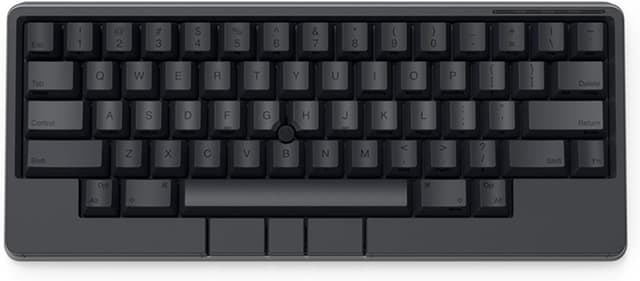
HHKB
Happy Hacking Keyboard Studio for a superior typing experience.
Sensory input cuts both ways. Bad input is draining, but good input is grounding, and a keyboard you love typing on is a small pleasure you get a few thousand times a day. The HHKB Studio has a compact layout that keeps your hands in one place, quiet switches with a distinctive feel, and a pointing stick so you never have to break flow to reach for a mouse.
A note on all of this
Nothing here is medical advice, and none of these objects replace the actual support that helps, whether that is a diagnosis, medication, therapy, or just a manager who understands. What they do is lower the friction of an ordinary day. For a brain that spends a lot of energy fighting friction, that is not nothing.
If you only get one thing from this list, get the earplugs. They are $25 and they help almost everyone.